Drop Lab
Same object. Same metres. Same seconds.
Local gravity in vacuum · Model / sources
Grab any object to move all twelve. Flick to toss, or hold still and let go to drop. Marks show every 0.25 s of flight.
Keyboard: arrows move; Shift + arrows aim a toss; Enter or Space launches. Escape clears the aim.
Ready · release from rest or flick to toss
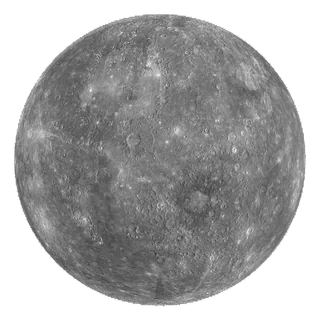 Mercury3.70 m/s²
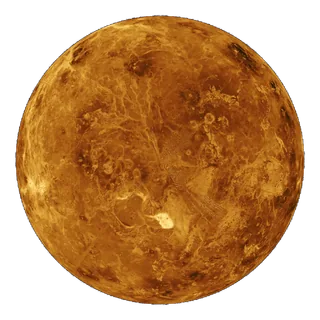 Venus8.87 m/s²
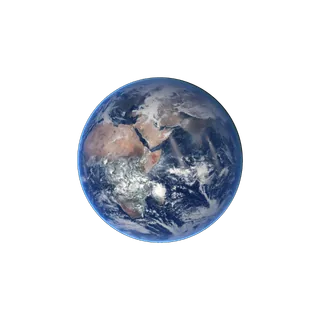 Earth9.78 m/s²
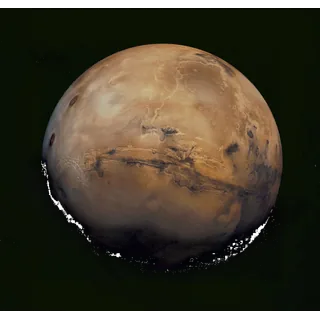 Mars3.69 m/s²
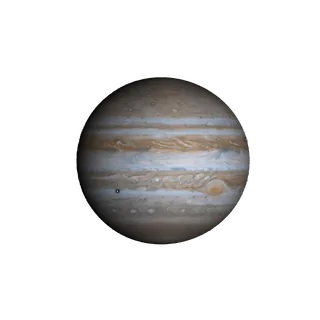 Jupiter23.12 m/s²
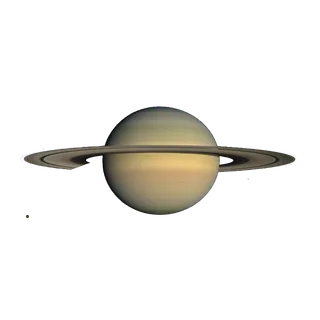 Saturn8.96 m/s²
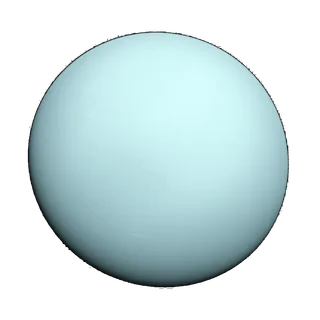 Uranus8.69 m/s²
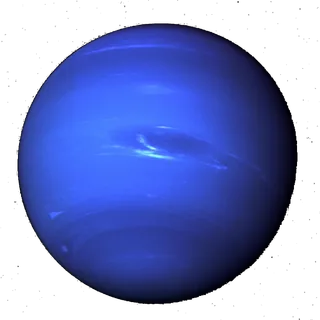 Neptune11.00 m/s²
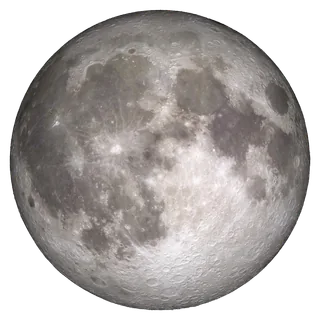 Moon1.62 m/s²
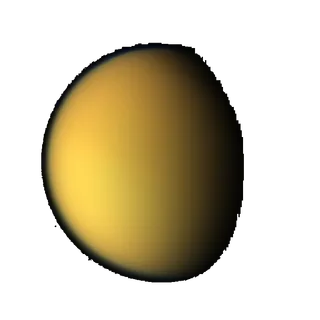 Titan1.35 m/s²
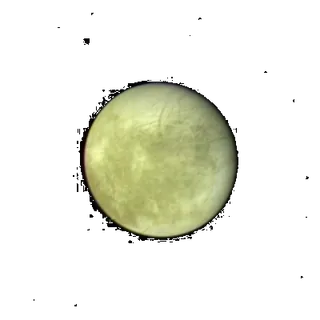 Europa1.31 m/s²
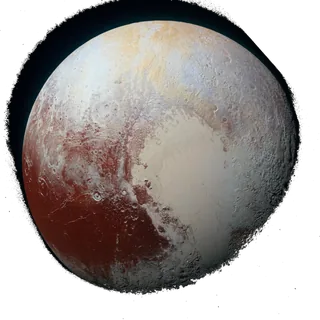 Pluto0.62 m/s²
Model, assumptions & sources
Every cell uses the same length scale, clock and 1 kg point object. Gravity is constant at the dataset's effective surface or 1-bar reference level. There is no air, terrain, bounce or object size. Giant planets have an imaginary laboratory platform, not a solid surface.
Free fall is analytic: x = x₀ + vₓt and y = h + vᵧt − ½gt². Every copy receives the same release velocity. The first platform contact stops motion; the listed impact speed is immediately before contact. Equal-time trace marks continue in 0.25 s increments until impact.
One shared clock ends at the last impact, rounded up to the next hundredth of a second. Scrub to compare the same instant on every world. Shared links preserve the release position and velocity. Replay repeats the same launch; Reset gathers the objects at the release position with no velocity.
Launch speed is limited to 2.3 m/s, keeping upward tosses inside every frame. The same metre scale applies to all twelve worlds. The platform extends beyond the picture: a sideways toss may leave the frame, with an edge marker and true measurements tracking it. Trajectories are never bounced, wrapped or rescaled.
Dataset 0.1; model shared_ballistic_drop_v3. Inspect gravity values and NASA/JPL provenance. Explore planet-scale trajectories in Flight.