Flight Lab
Vacuum two-body · no air, spin or terrain · Model / sources
Escape ladder
circular / escapekm/s
- MercuryCircular 3.00 / escape 4.25thresholds overlap at this scale
- VenusCircular 7.33 / escape 10.36thresholds overlap at this scale
- EarthCircular 7.91 / escape 11.18thresholds overlap at this scale
- MarsCircular 3.55 / escape 5.02thresholds overlap at this scale
- JupiterCircular 42.10 / escape 59.53thresholds overlap at this scale
- SaturnCircular 25.09 / escape 35.48thresholds overlap at this scale
- UranusCircular 15.06 / escape 21.29thresholds overlap at this scale
- NeptuneCircular 16.61 / escape 23.50thresholds overlap at this scale
- MoonCircular 1.68 / escape 2.38thresholds overlap at this scale
- TitanCircular 1.87 / escape 2.64thresholds overlap at this scale
- EuropaCircular 1.43 / escape 2.02thresholds overlap at this scale
- PlutoCircular 0.86 / escape 1.21thresholds overlap at this scale
Log-like speed scale · 0–70 km/s. Lower speeds have more room; exact thresholds are listed at right.
At 0°: the band between circular and escape speeds is a grazing orbit.
8.0 km/s · 0° above horizontal · 6 escape · 2 grazing · 4 cross the reference level
MercuryEscape 6.78 km/s excess
Surface reference · path continues
VenusGrazing orbit 1.48 R apo · 2.0 h
Surface reference
EarthGrazing orbit 1.05 R apo · 1.5 h
Surface reference
MarsEscape 6.23 km/s excess
Surface reference · path continues
JupiterCrosses 1-bar Crossing at release
1-bar reference
SaturnCrosses 1-bar Crossing at release
1-bar reference
UranusCrosses 1-bar Crossing at release
1-bar reference
NeptuneCrosses 1-bar Crossing at release
1-bar reference
MoonEscape 7.64 km/s excess
Surface reference · path continues
TitanEscape 7.55 km/s excess
Surface reference · path continues
EuropaEscape 7.74 km/s excess
Surface reference · path continues
PlutoEscape 7.91 km/s excess
Surface reference · path continues
Surface pull
g-eff / GM / r²
effective mass-only
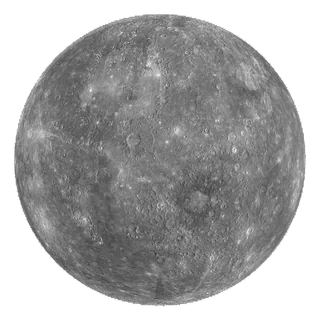 MercuryEffective gravity3.70Mass-only gravity3.70m/s²
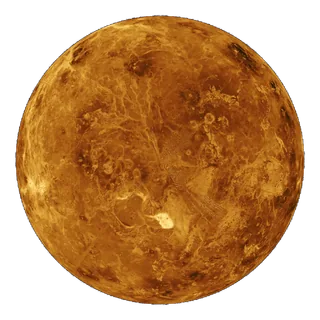 VenusEffective gravity8.87Mass-only gravity8.87m/s²
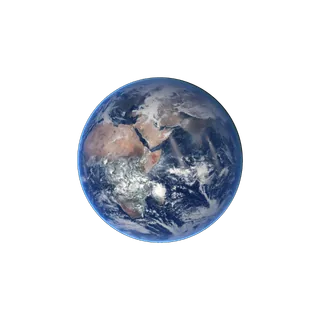 EarthEffective gravity9.78Mass-only gravity9.80m/s²
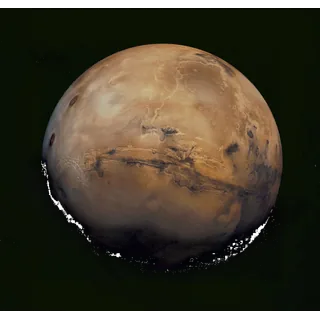 MarsEffective gravity3.69Mass-only gravity3.71m/s²
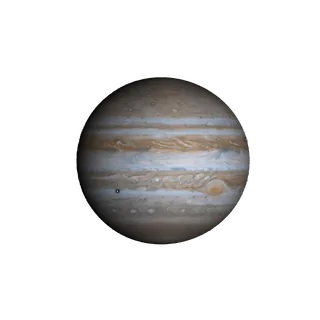 JupiterEffective gravity23.12Mass-only gravity24.79m/s²
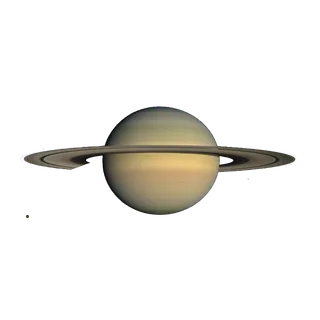 SaturnEffective gravity8.96Mass-only gravity10.44m/s²
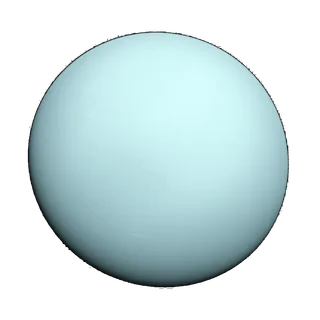 UranusEffective gravity8.69Mass-only gravity8.87m/s²
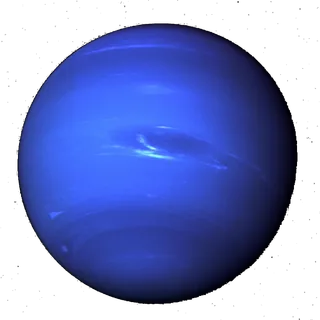 NeptuneEffective gravity11.00Mass-only gravity11.15m/s²
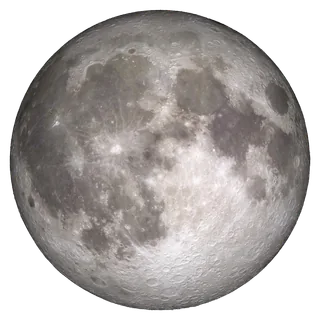 MoonEffective gravity1.62Mass-only gravity1.62m/s²
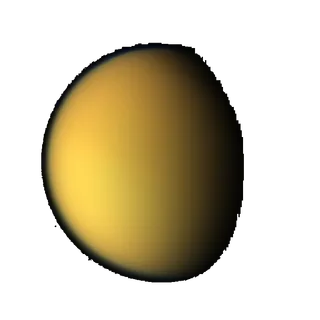 TitanEffective gravity1.35Mass-only gravity1.35m/s²
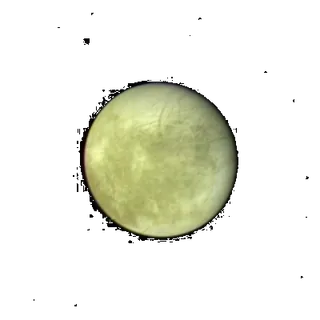 EuropaEffective gravity1.31Mass-only gravity1.31m/s²
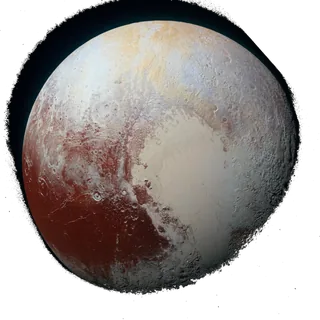 PlutoEffective gravity0.62Mass-only gravity0.62m/s²
Method / sources
Model vacuum_two_body_v2. Exact two-body event values are independent of the sampled preview. Paths show at most 12 hours; escape previews stop at 5 reference radii with a continuation mark. R means the declared reference radius. A grazing orbit touches that level and is not an elevated satellite orbit.
Model
Airless, spherical, two-body motion from the declared equatorial surface or 1-bar radius. Preview and animation use the same GM-based state model. Angle is measured above local horizontal.
Saturn's 10.44 m/s² here is mass-only pull at the 1-bar equatorial radius. Its 8.96 m/s² scalar gravity row is an effective 1-bar value; the two numbers answer different questions.
Records
Dataset 0.1. GM and radii: NASA/JPL.
- Mercury globe — NASA/JHUAPL/Carnegie Institution of Washington
- Venus radar-data globe — NASA/JPL
- Blue Marble, March 2014 — NASA/GSFC
- Mars global mosaic — NASA/USGS
- High-resolution Jupiter globe — NASA/JPL/University of Arizona
- Saturn, Cassini — NASA/JPL/Space Science Institute
- Uranus, Voyager 2 — NASA/JPL-Caltech
- Neptune, Voyager 2 — NASA/JPL
- Full Moon — NASA/GSFC
- Titan natural-color composite, Cassini — NASA/JPL/Space Science Institute
- Europa full disk, Galileo — NASA/JPL
- Pluto color view — NASA/JHUAPL/SwRI